

The National Water and Sewerage Corporation (NWSC) has been unable to secure more than Shs600 billion in loans from domestic commercial banks to fund water infrastructure projects, due to concerns over its weak creditworthiness, which officials attribute to unpaid government water bills totaling Shs69.94 billion.
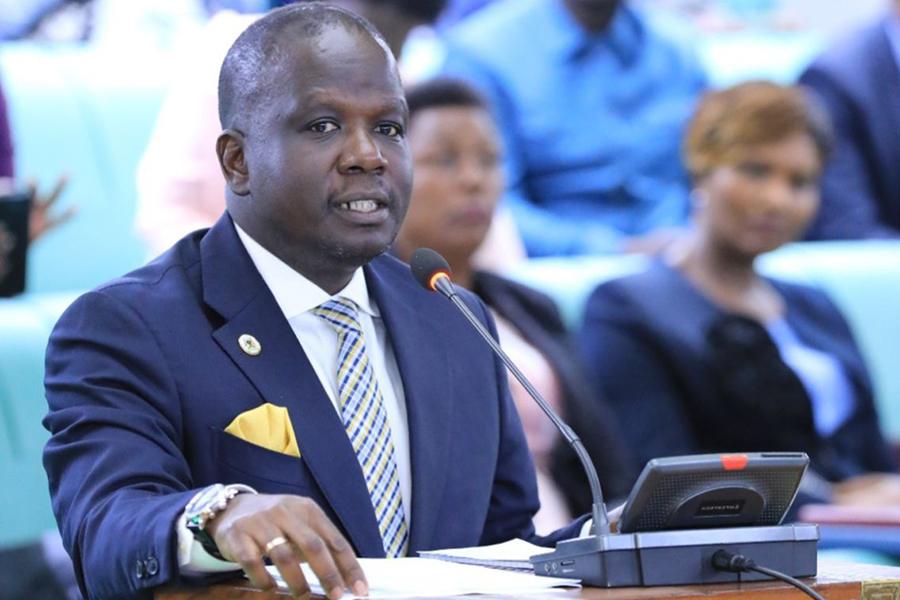
The issue was highlighted by Herbert Ariko, chairperson of Parliament’s Committee on Environment and Natural Resources, during a presentation before the Budget Committee on the 2026/27 National Budget Framework for NWSC.
“National Water and Sewerage Corporation had planned to mobilise Shs600 billion from domestic banks to finance water infrastructure in these towns,” Ariko said, noting that each town’s projects required between Shs19 billion and Shs20 billion.
However, he explained that NWSC’s borrowing capacity has been severely limited by arrears owed by government institutions.
“The ability of NWSC to mobilise financing has been curtailed in the market, especially due to the outstanding government arrears totalling about Shs69.94 billion from 40 MDAs as of December 2025,” he said.
Ariko added that Parliament had previously recommended allocating Shs81 billion to clear all outstanding water bills by June 2025.
Yet some Ministries, Departments, and Agencies (MDAs) did not fully remit the funds, and additional arrears accumulated between July and December 2025, raising the risk that unpaid bills could again climb to Shs80 billion or higher.
He urged tighter compliance and accountability mechanisms to ensure that funds allocated to MDAs for utilities are actually paid to service providers.
Echoing this concern, Remigio Achia, Vice Chairperson of the Budget Committee, called for escalation to the Ministry of Finance.
“This matter should be captured and reported to the Ministry of Finance,” Achia said, questioning why MDAs continue to receive budget allocations while failing to settle utility obligations. He emphasized that the ministry should enforce payments by vote holders during the ongoing budget process.
The delay in payment has not only affected NWSC’s ability to independently finance infrastructure expansion but also threatens ongoing water projects in multiple towns across Uganda.
